Geological Description Part 2 (last part)

clay stone and shale=Clay Stone & Shale (Clst&Sh).

Clay Stone & Shale are formed from accumulation of clay minerals and silt particles. Its grain size is less than 4 microns.


marl= Marl (Mrl).

Marl is formed from accumulation of clay minerals and calcium carbonate (calcite) and its grain size is less than 4 microns.


sand stone= Sandstone (Sst)

Sandstone is formed of accumulation of mineral grains (quartz) and its grain size is from 60 microns to 2 mm.


silt stone= Siltstone (SLst)

Siltstone is formed of accumulation of mineral grains (quartz) and its grain size is from 4 to 60 microns.


conglomolate= Conglomerate (Cgl), its grain size is greater than 2 mm.

Conglomerate is formed from accumulation of primarily granule, pebble and boulder size particle.


fault= Geological fault


Geological Description Part 1

It is very important to understand what geological description used in oil filed business. Hence, I collect the geological description from the book in order to be your reference and you will be able to understand meaning of each photo describing type of rock.

lime stone = Limestone (Ls)

dolomite and shalk = Dolomite&Chalk (Dol & Chk)

chert = Chert (Cht)

Limestones, Dolomite and Chalk are formed from large deposit of calcium carbonate (calcite) and calcium magnesium (dolomite).

gypsum = Gypsum & Anhydrite (Gyp & Anhy)

salt = Salt (Sa)

Gypsum, Anhydrite and Salt are composed of minerals precipitated from solution during evaporation of water.

basement = Basement (Bm)

volcanic = Volcanics (Volc)

Basement and Volcanics are formed from the cooling of molten magma.

Oil Well Cementing (Purpose and its importance)

Purposes of oil well cementing are as follows:

Zonal Isolation: Isolate hydrocarbon pays, water pays, shale, etc.

Seal off lost circulation zones

Hydraulic Seal: Prevent pressure from the undesirable migration of fluid coming up to surface via annulus between casing and hole.

Protect casing: Cement is a protective sheath around casing.

Hold casing and completion string: Cement supports weight of whole string of casing or completion.

The importance to accomplish the primary oil well cementing is  as follows:

Good reservoir management: Good cement will let engineer design to produce hydrocarbon from reservoirs easier because there is no concern related to cement.

Maximize Reserves: Good cement sheath allows good pay sands to produce as maximum as possible because good sands will stop producing earlier due to water load-up or permeability damage.

Save time and cost: A lot of time and money must be spent to perform remedial cement operation which is cement squeeze job by coiled tubing or Hydraulic Work Over. If primary cement can be accomplished, no more time and money is spent out to do remedial work.

The key factors necessary to ensure a successful primary oil well cement job are as follows:

1. Good information: Related information such as calculated hole diameter, hole volume, depth, etc from related personnel is required in order to design cementing programs.

2. Good cementing design: There is a number of cement purposes such as primary cement, cement squeeze, cement plug. To meet the purpose of each job, cementers must design a cementing program in correct and good way.

3. Good procedures: Clear and concise procedure will lead to good job because cementer and assistants can perform the cementing job correctly, fast, safely.

4. Good equipment and experienced personnel: Experienced staff with good equipment can perform great jobs, no lost time, safe and fast.

5. Good centralizer placement: Centralizers help casing in the center of hole. Casing with good centralizer placement, cement can form properly cement sheath around casing.

Ref books: Cementing Technology Books

Understand about Friction Pressure Acting (FrP) in Wellbore

The friction pressure is pressure loss when fluid flowing through flowing paths and it acts in the opposite direction of fluid flow.

The following factors affect the friction pressure:

• Drilling string geometry both inside diameter and outside diameter

• Fluid Properties: Rheology and density

• Geometry of wellbore: hole length, wellbore area and flow area

• Wellbore condition such as packing off, bridging, etc

• Flow Rate

• Pipe movement and pipe rotation

Let’s illustrate friction pressure

  • Pump fluid with pressure upstream of 2,000 psi and discharge at atmosphere (0 psi)
  • Pressure gauge in the middle reads 1,000 psi
  • The diagram is shown in Figure 1.
  • Pressure acts in the opposite direction of flow.
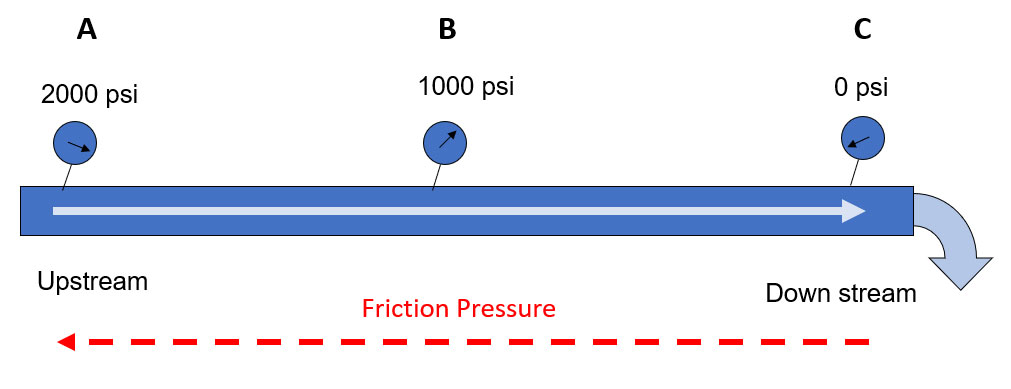
Figure 1 - Simple diagram of fluid flow and friction pressure

Figure 1 – Simple diagram of fluid flow and friction pressure

  • Friction pressure between A and B is equal to P at A – P at B. Therefore, friction pressure between A and B is 1000 psi as shown in Figure 2.
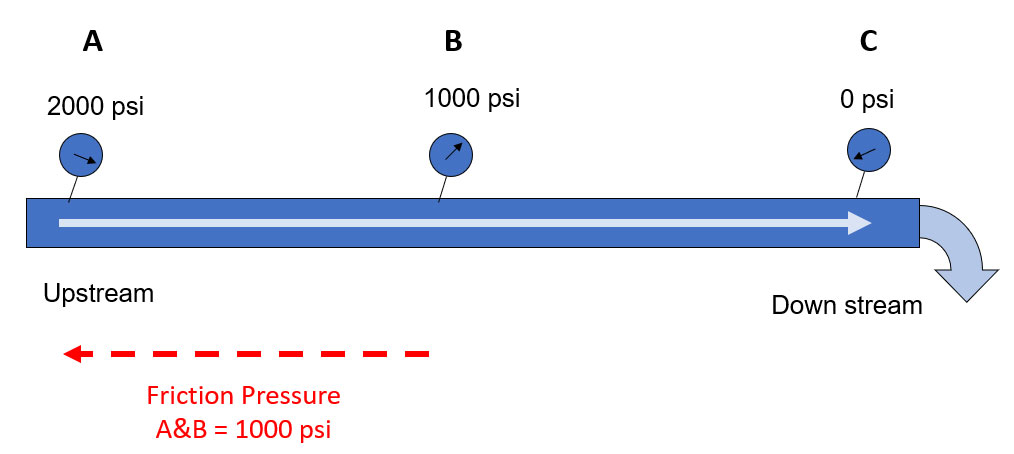
Figure 2 -

Figure 2 – Friction pressure between A and B

  • Friction pressure between B and C is equal to P at B – P at C. Therefore, friction pressure between B and C is 1000 psi as shown in Figure 3.
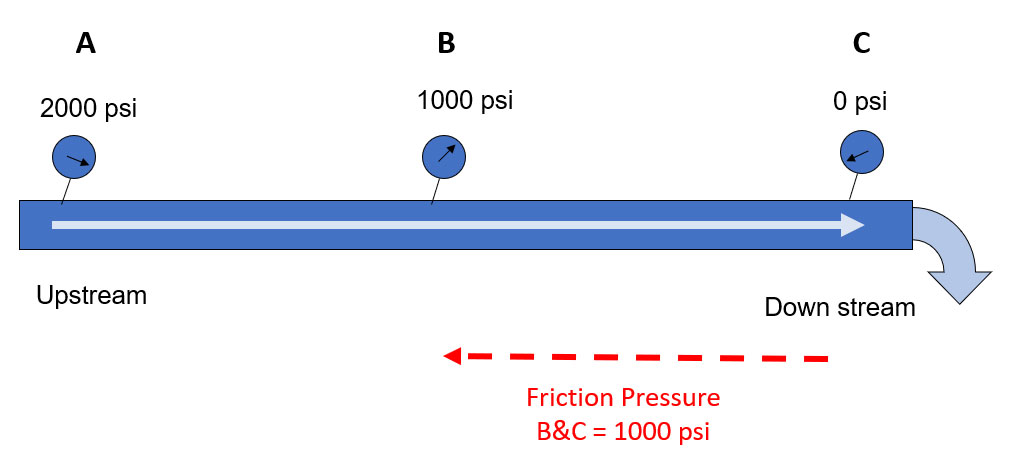
Figure 3 – Friction pressure between B and C

  • Total pressure loss of this system (Friction Pressure) is 2000 psi (Figure 4).
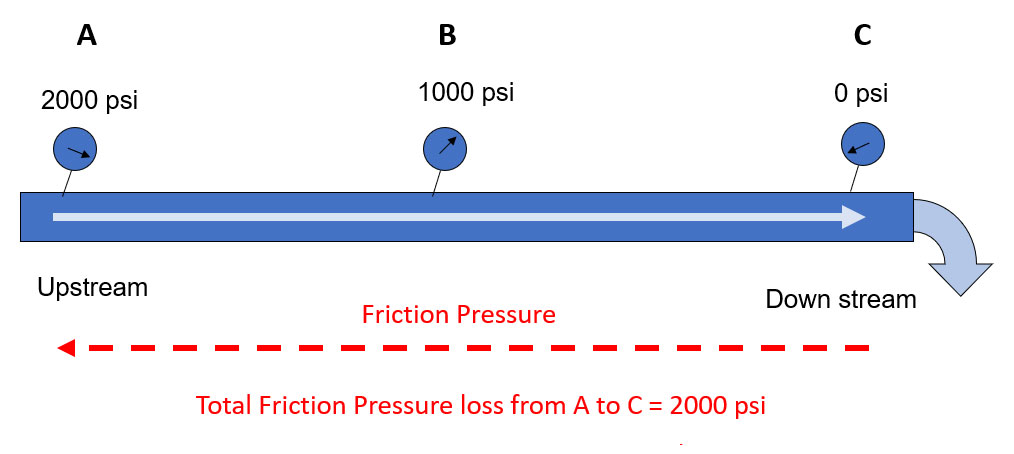
Figure 4 – Total friction pressure between A and C

Friction in a wellbore

We will apply this concept to our wellbore.  This is a well with a normal forward circulation from drillstring and come out on surface from the annulus. These are some information.

  • Constant Fluid both sides
  • Hydrostatic Pressure = 2,500 psi
  • Friction P in Drillpipe = 1,500 psi
  • Friction P in Annulus = 500 psi

The well diagram is show in Figure 5.
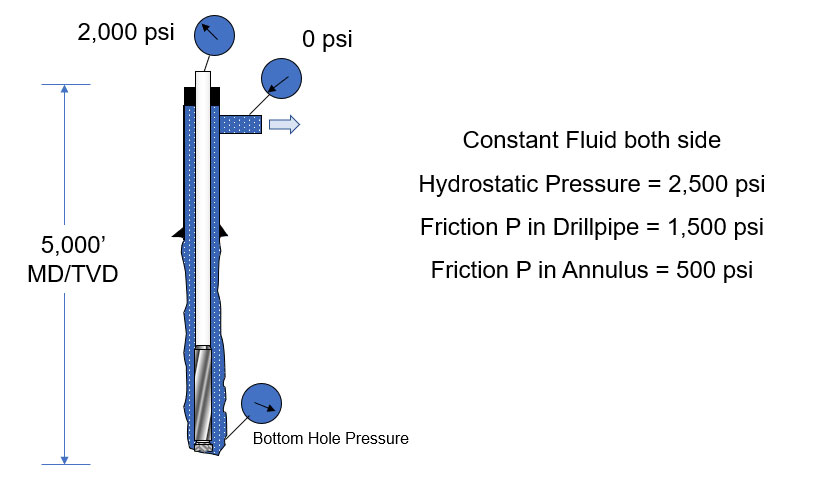
Figure 5 – Wellbore Diagram

We can draw a simple diagram by applying U-tube concept as shown in Figure 6.

Figure 6 – Well Diagram applied U-Tube concept

Figure 7 shows the relationship in the drill pipe side.

DP – FrPdp + HPdp = BHP

Where;

DP = Drillpipe Pressure

FrPdp = Friction pressure at drillpipe side

HPdp = Hydrostatic pressure at drillpipe side

BHP = Bottom hole pressure
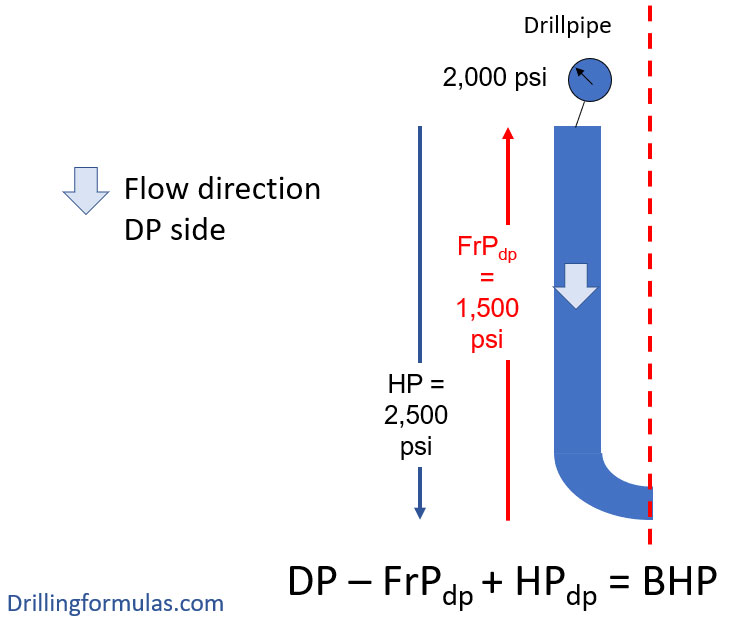
Figure 7 – Relationship on Drillpipe Side

Figure 8 shows the relationship in the casing side.

BHP =CP + FrPann +HPann

Where;

CP = Casing Pressure

FrPann = Friction pressure in annulus

HHPann = Hydrostatic pressure in annulus

BHP = Bottom hole pressure

** You will see that in the annulus friction pressure will act to the bottom hole since the flow moves upward direction so the sign is +.
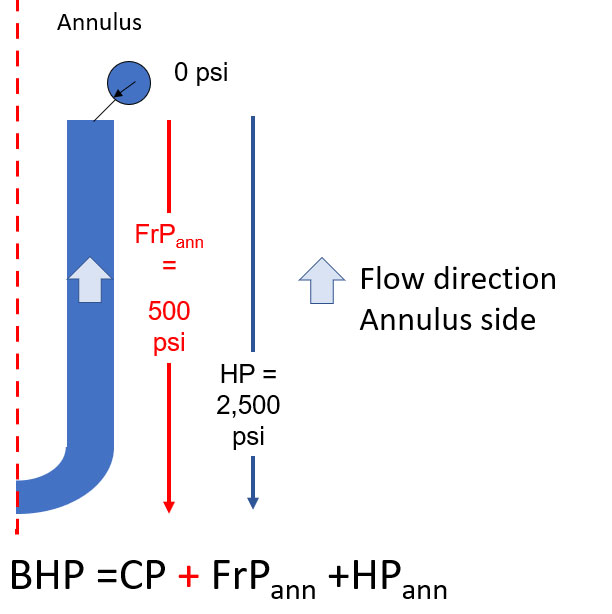
Figure 8 – Relationship on Casing Side

Figure 9 demonstrates the whole relationship of the whole system.
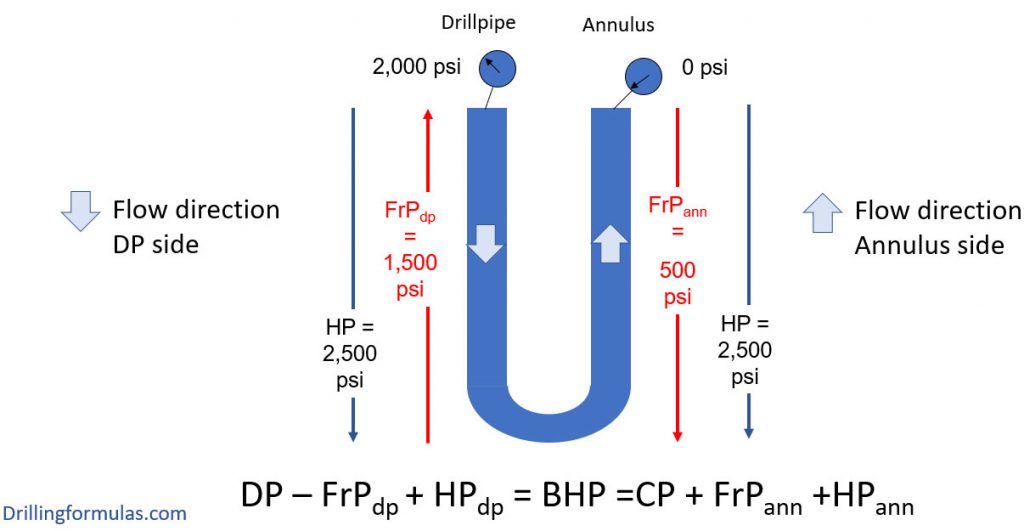
Figure 9 – Relationship of the whole system

Let’s do some calculation to get more understanding about this topic based on this example.

Starting from the drillpipe side (Figure 10),

DP – FrPdp + HPdp = BHP

2,000 – 1,500 + 2,500 = BHP

BHP = 3,000 psi
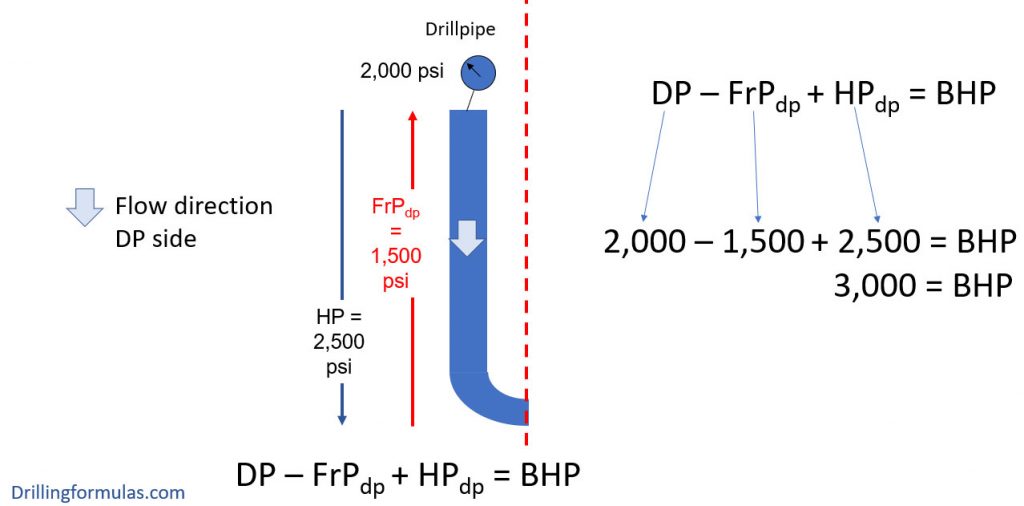
Figure 10 – Calcification from the drill pipe side

Calculation from annulus side (Figure 11)

BHP =CP + FrPann +HPann

BHP =0 + 500 +2,500

BHP = 3,000 psi
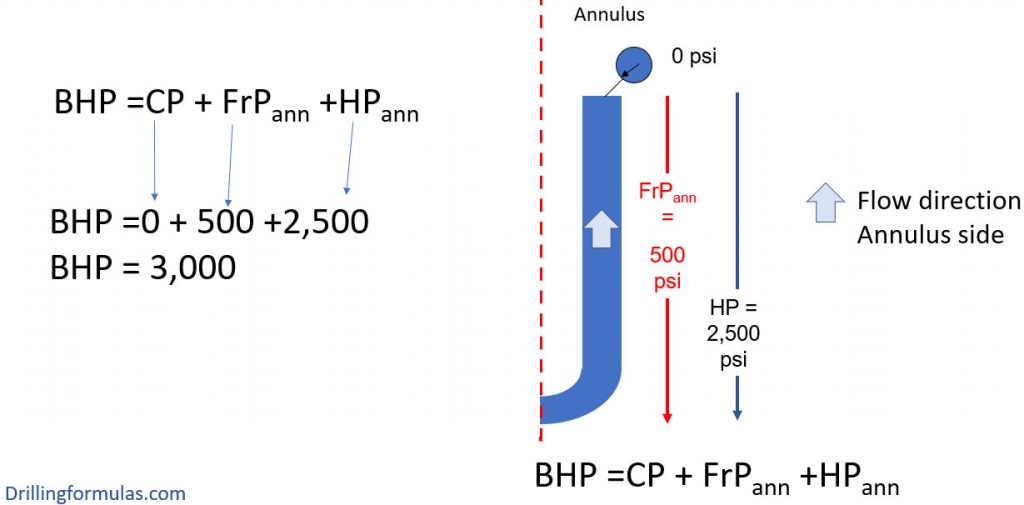
Figure 11 – Calculation from the annulus side

Figure 11 demonstrates the whole system. As you can see that we can calculate the BHP from any side and we will get the same result as per U-Tube principle.
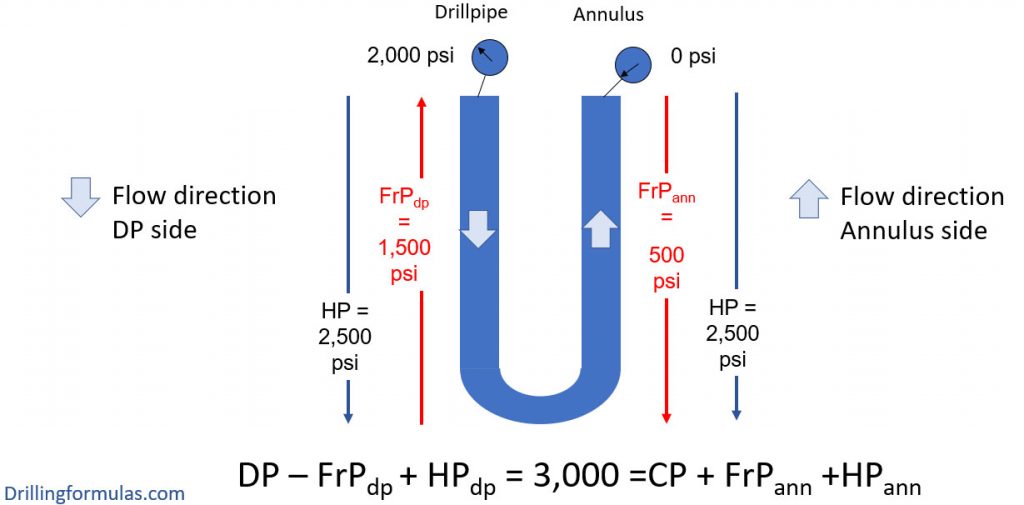
Figure 12 – Whole system calculation

With this example, we wish that would make you get more understanding about friction pressure in a wellbore.

Please leave any comments or questions below if you have any questions.

References

Cormack, D. (2007). An introduction to well control calculations for drilling operations. 1st ed. Texas: Springer.

Crumpton, H. (2010). Well Control for Completions and Interventions. 1st ed. Texas: Gulf Publishing.

Grace, R. (2003). Blowout and well control handbook [recurso electrónico]. 1st ed. Paises Bajos: Gulf Professional Pub.

Grace, R. and Cudd, B. (1994). Advanced blowout & well control. 1st ed. Houston: Gulf Publishing Company.

Watson, D., Brittenham, T. and Moore, P. (2003). Advanced well control. 1st ed. Richardson, Tex.: Society of Petroleum Engineers.

PTTEP Australia Successfully killed the leaking well

This Tuesday, Nov. 3, 2009, image provided by PTTEP Australasia shows the West Atlas oil rig after a fire on it was put out 150 miles (250 kilometers) off Australia’s northwest coast. The oil rig that had been leaking into the Timor Sea for 10 weeks was plugged Tuesday, and a massive fire blazing aboard the structure was largely extinguished.

(AP Photo/PTTEP Australasia)

PTTEP Australasia today confirmed it had killed the leaking well and stopped the main fire at the Montara well head platform and surrounding the West Atlas drilling rig in the Timor Sea. As reported earlier, the well was declared shut down or killed at approximately 1715 (CST) today. Some material on the topside of the West Atlas rig might still be on fire but It is expected to burn out as the fuel source runs out.

Well control experts onboard the nearby West Triton rig pumped approximately 3,400 barrels of heavy mud plus l000 barrels of brine down the relief well which had successfully intercepted the leaking well on Sunday morning. The well will now continue to be monitored for the next 24 to 48 hours to ensure that it remains stable.

The operation to pump the heavy mud began at 1440 (CST). The main fire at the well head platform was reported out at 1548 (CST). A safety case revision will now be presented to the National Offshore Petroleum Safety Authority (NOPSA) to reboard the Montara well head platform to assess the level of damage and to plan for the next phases of the operation.

The company will closely monitor the well head platform and the West Atlas rig and will consider spraying the well head platform with seawater in an effort to help cool ft before any re-boarding attempt is made.

Once safety criteria have been satisfied, specialist crew from international oil and gas well control engineers ALERT Well Control will reboard the well head platform to assess the damage and then determine the best strategy to plug the I-Il well

This operation has been made more difficult after the cantilever portion of the West Atlas rig buckled during the fire and has come to rest on top of the well head platform. Once the well head platform has been secured, specialist personnel from the owners of the West Atlas drill rig, Atlas Drilling (S) Pte Ltd (a wholly owned subsidiary of Seadrill Limited), may attempt to reboard the West Atlas to assess the damage caused by the fire. Any questions relating to the damage to the West Atlas rig should be directed to Seadrill Limited.

PTTEP Australasia Director and Chief Financial Officer Jos? Martins said the company?s priority had always been to kill the leaking well and subsequently stop the fire in the safest and quickest manner.

“We are relieved and thankful that we have killed the well and stopped the main fire. We still have a lot more work to do and our priority is now to determine the best method of plugging the Ml well bores” Mr Martins said.

“We do not under estimate the significantly increased technical complexity, logistical challenges and hazards of the work now required in the wake of the damage caused by the fire to the well head platform and the West Atlas rig.”

“We will continue to work closely with AMSA to assist in the oil spill clean-up operations and with DEWI-IA In continuing to roll out what is likely to be the largest industry environmental monitoring program ever seen in Australia.”

“PTTEP remains committed to fully funding the spill cleanup and environmental monitoring programs being undertaken by the lead Federal government.”

“As we also stated yesterday, the company will fully co-operate with the Federal Government inquiry which has been foreshadowed by Resources and Energy” Minister Martin Ferguson.

In reaching this critical milestone, Mr. Martins also thanked more than 300 personnel which the company has had deployed offshore in the Timor Sea at Trustcott air base in Western Australia far north Kimberley, in Darwin during the operation, plus the team in PTTEP’s Perth office

“Our people and our contractors have worked tirelessly to bring the leaking well and the fire under control we sincerely thank them and their families for all of their efforts and c commitment during this intense operation. ?Our Job Is not over and we look forward to their continued support and commitment”

Ref: http://drillingclub.proboards.com/index.cgi?board=wellcontrol&action=display&thread=4315&page=6#11405

http://news.yahoo.com/