


Shale shakers area vibrating machines used on drilling rigs to separate solid rock cuttings from the drilling fluid (or “mud”) so the cleaned fluid can be reused in the drilling process. When drilling, rock cuttings mix with this mud and must be separated before the fluid can be reused. The first and most important step in this solids control process is done by a machine called the shale shaker. Though it may look simple, the shale shaker plays a major role in keeping drilling operations efficient, safe, and cost-effective.

How a Shale Shaker Works
A shale shaker acts like a powerful vibrating filter. Its main job is to separate solid rock cuttings from the drilling fluid that returns from the well.
Here’s how it works:
- The mud, full of rock fragments, flows from the well into a hopper or “mud box.”
- The mud is spread evenly over fine wire screens placed on an angled frame called a screen basket.
- Powerful vibrating motors shake the screen at high speed.
- The vibration makes the liquid pass through the tiny holes in the screen, while the larger solid particles move across the surface and are thrown off for disposal.
This process keeps the drilling fluid clean and ready to be used again.
Why It’s So Important
The shale shaker affects almost every part of the drilling process:
- Keeps the drilling mud in good condition:
If too many solids stay in the mud, it becomes thicker and heavier. This can cause high pressure, damage underground formations, and lead to expensive fluid losses.
- Protects equipment:
Solid particles are abrasive and can wear down pumps, valves, and tools, causing breakdowns and delays.
- Improves drilling speed:
Cleaner mud cools and cleans the drill bit more effectively, helping it cut faster and last longer.
- Saves money and reduces waste:
By cleaning and reusing mud, less new fluid needs to be made, and less waste needs to be thrown away—good for both the budget and the environment.
Main Parts of a Shale Shaker
Vibrating Motors:
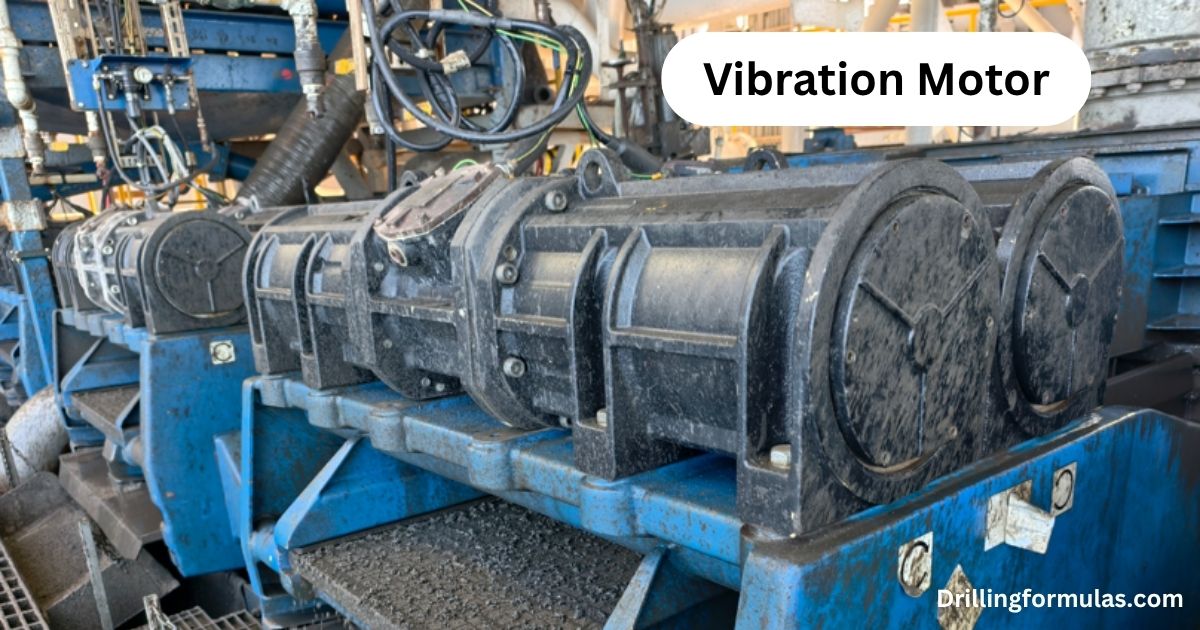
Vibration Motor of Shale Shaker
These motors create the strong shaking motion needed to move and separate solids. Some designs use two motors rotating in opposite directions to create a smooth, efficient vibration.
Screen Basket (or Deck):
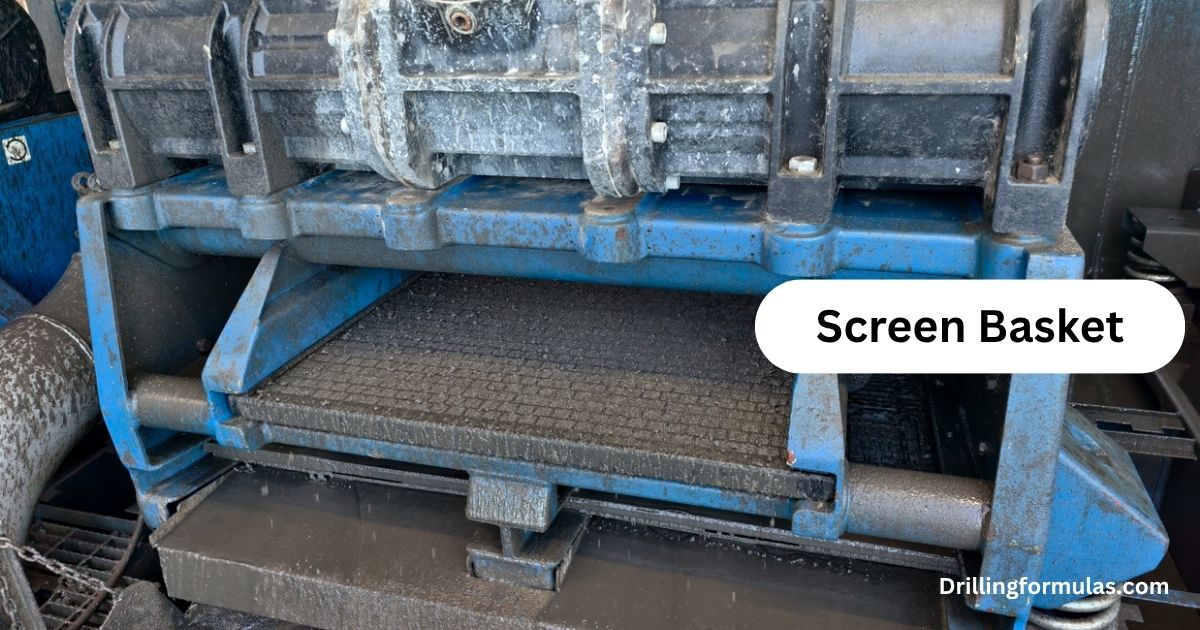
Screen deck of shale shakers
This frame holds the screens and can be tilted at different angles. A steeper angle lets more mud pass through quickly but leaves wetter solids. A flatter angle produces drier cuttings but slows down flow.
Screens:
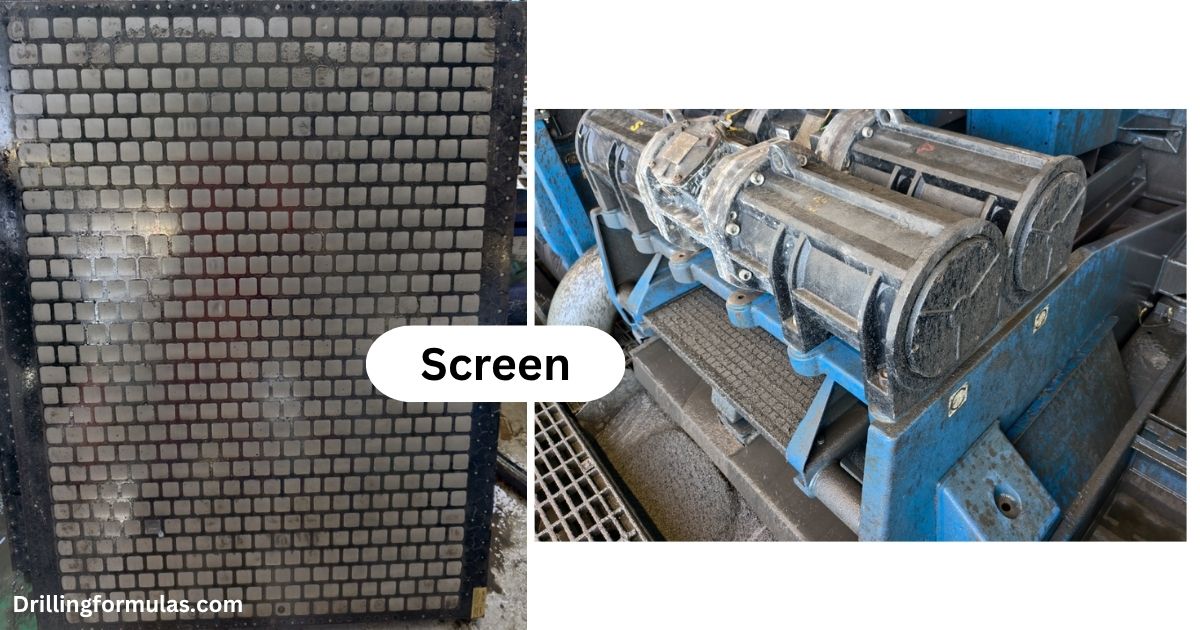
Screen of shale shakers
These are the replaceable filters that do the actual separating. Most modern screens have multiple layers of mesh and are rated by the API RP 13C standard, which measures how fine the screen is and what size particles it can remove.
Feed System:
The mud enters the shaker through a hopper or feeder. A good feed system spreads the mud evenly across the screen, improving efficiency and extending screen life.
Types of Shale Shakers
By Motion Type:
- Linear Motion: The most common type. It moves solids straight off the screen efficiently and produces drier cuttings.
- Elliptical Motion: Moves solids in an oval path. Works well with sticky or thick muds like oil-based fluids.
- Circular Motion: An older design using one motor. It’s less efficient and now rarely used.
By Deck Design:
- Single-Deck: One screen layer, simple and compact.
- Dual-Deck: Two layers—coarse screens on top and fine screens below—for better separation and longer screen life.
- Triple-Deck: Used in special cases where multiple stages of separation are needed.
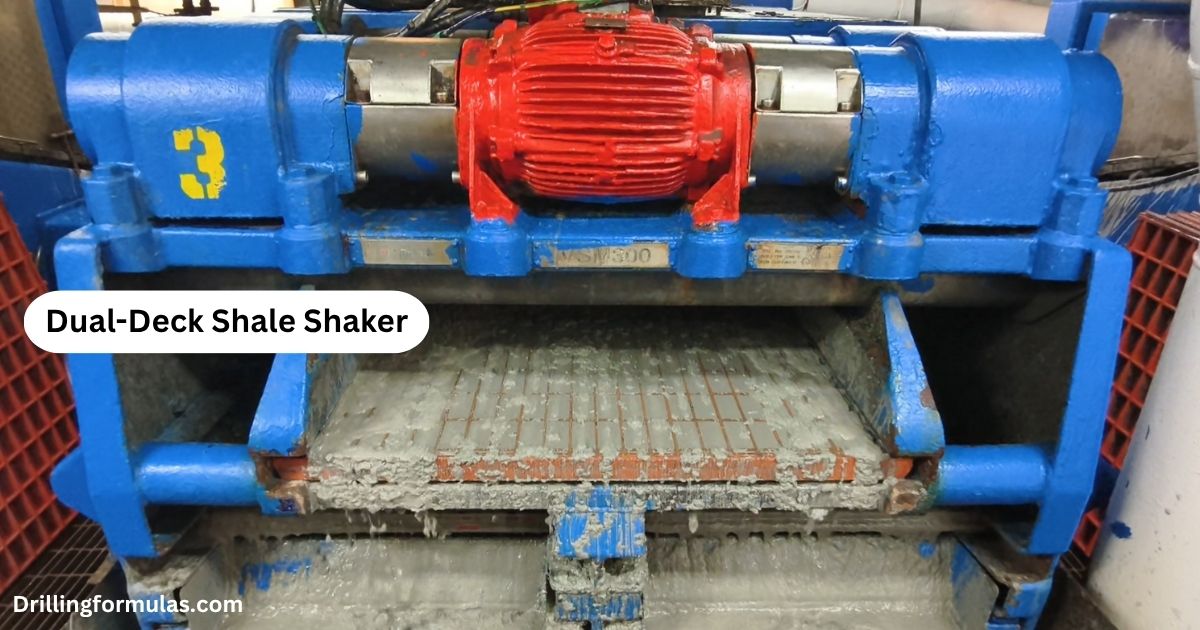
Example : Double-Deck Shale Shaker
Conclusion
The shale shaker is the most vital part of a drilling rig’s solids control system. It’s not just a vibrating sieve—it’s a carefully engineered machine that keeps drilling mud clean, protects equipment, saves costs, and reduces environmental impact.

