Two New Efficient Oil Drilling Techniques

Two new efficient oil drilling techniques

The U.S. increased oil reserves can be attributed to the development of revolutionary technology that has enabled them to extract oil from the ground.

Thanks to the efforts of Texas Tech University, miners have improved their methods of drilling and extracting oil in the form of “Zipper Fracking.” This method is similar to the more common hydraulic fracking but instead of drilling one well, miners drill two wells side by side. After both wells have been drilled, they are then fracked at the same time.

The second drilling technique that miners have begun to use is called “Stacked Laterals.” It is most useful in offshore drilling since building platforms just to extract oil from shale out in the ocean isn’t that cost-effective. So whenever operators are out in the water, they now drill several wells from a single pad (ergo, stacked laterals). This saves time but and money, with the stacked laterals increasing oil production by around 200%.

From June 2011 to June 2014, several major shale regions in the U.S. that used the new drilling methods have enjoyed an increased amount of yields. In Eagle Ford Texas, production per drilling rig increased from 198 barrels a day in 2011 from 476 barrels in 2014. In Bakken, oil production increased from 213 barrels a day to 505.

New drilling techniques make oil extraction easier and it will be more economical with the discovery of new technology. Sulzer, Unaoil’s associate in servicing oil and gas firms in Iraq, has developed a new generation hydro-powered water drill which is both cost-effective and environmental friendly because it uses water instead of oil for lubrication. It is now being used by some firms and could potentially be a game-changer in the future of oil drilling.

Currently, there’s no end in sight for the U.S.’ production of oil. Experts predict that it will continue to soar as private companies are continuously finding ways to extract more oil from shale.

What is the longest, deepest and largest hole ever drilled on earth?

This is very interesting information about the longest, deepest and largest hole ever drilled on earth. You will be amazed how people can overcome the limit of nature.

facebook-cover

Longest Hole

In May 2008, GSF Rig 127 operated by Transocean drilled (BD-04A) in the Al Shaheen Oil Field for Maersk. It has a measured length of 40,320 feet (12.3 km) with a horizontal section of 35,770 feet (10.9 km). Maersk Oil’s well also extended the company’s previously held world record for the longest horizontal well by 9,000 feet (2.7 km). The entire horizontal section of the well is placed within a reservoir target which is only 20 feet (6 m) thick. And it was completed in 36 days. Incident free. Continue reading

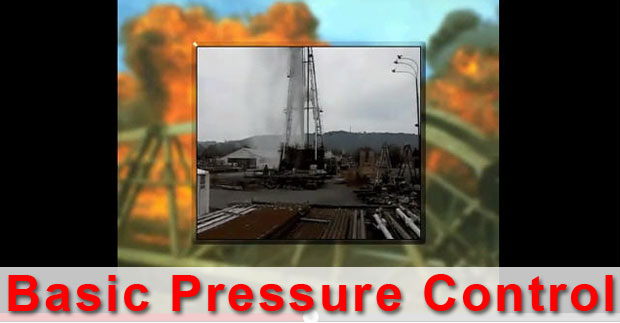
Basic Pressure Control In Drilling

Pressure under the earth is one of the most dangerous things that drilling personnel need to deal with. If the pressure does not take care properly, lost of the well can be occurred.  Learning the basic about pressure control is very critical therefore we would like to share this valuable oilfield VDO regarding this topic. Additionally, full VDO transcript is provided for accelerate your learning. We wish you would enjoy watching and learning from it.

Basic Pressure Control In Drilling – Full VDO Transcript


basic-pressure-control-in-drilling

Fluids in a formation are under pressure. When drilled, this pressure can escape to the surface if it is not controlled. Normally, drilling mud offsets formation pressure, that is the weight or pressure of the drilling mud keeps fluids in the formation from coming to the surface.

Continue reading

Oilfield Salary Survey as of Q1 2014

We’ve collected data from internet and summarized into simply formats for you to see oilfield salary in 2014. You will get an idea how much personnel working in the upstream industry make. All information used in this article is as of Q1 2014.

Oilfield-Salary-Survey-as-of-Q1-2014
Oilfield Salary Based On Geolographica Locations

Africa Average Income = 105,568 USD/year
Australia & Oceania Average Income = 104,787 USD/year
Central Asia Average Income = 79,188 USD/year
Europe Average Income = 116,899 USD/year
Far East Average Income = 100,337 USD/year
Middle East Average Income = 79,813 USD/year
North America Average Income = 90,693 USD/year
South America Average Income = 88,297 USD/year
Southern Asia Average Income = 72,023 USD/year
The chart below demonstrates overall income based on geographical information.

Figure-1---Average-Income-(USD-Yr)-Based-on-Geological-Area--as-of-Q1-2014
Figure 1 – Average Income (USD/Yr) Based on Geographical Area as of Q1 2014

Oilfield Salary Trend from 2011 – 2014 Based on Geolographical Area

Continue reading